
Listening Spaces
A quiet shift that reminds us connection can still happen in public

Most things begin as routine and end, unexpectedly, as something else.
Introduction
— Something different today—maybe a bit slow, maybe even boring at first, but like those events you dread and then leave glad you went. A quiet surprise made it worthwhile.
When we step into a room expecting little, we’re often unprepared for what unfolds. This is particularly true in community spaces—dialogues, assemblies, small gatherings—where expectations are low, and cynicism is high. The assumption is often that the format will be tired, the voices repetitive, and the outcomes vague.
But sometimes, something shifts. A room that felt flat becomes attentive. A discussion turns from procedural to personal. The energy softens, then lifts.
“We left as uplifted as we had arrived downcast.”
This quiet sentence, drawn from Theodore Dalrymple’s essay Milton Keynes: The Soulless City in City Journal, captures how a modest conversation, if held with care, can gently undo our guardedness—even when it takes place in a setting that offers little initial promise.
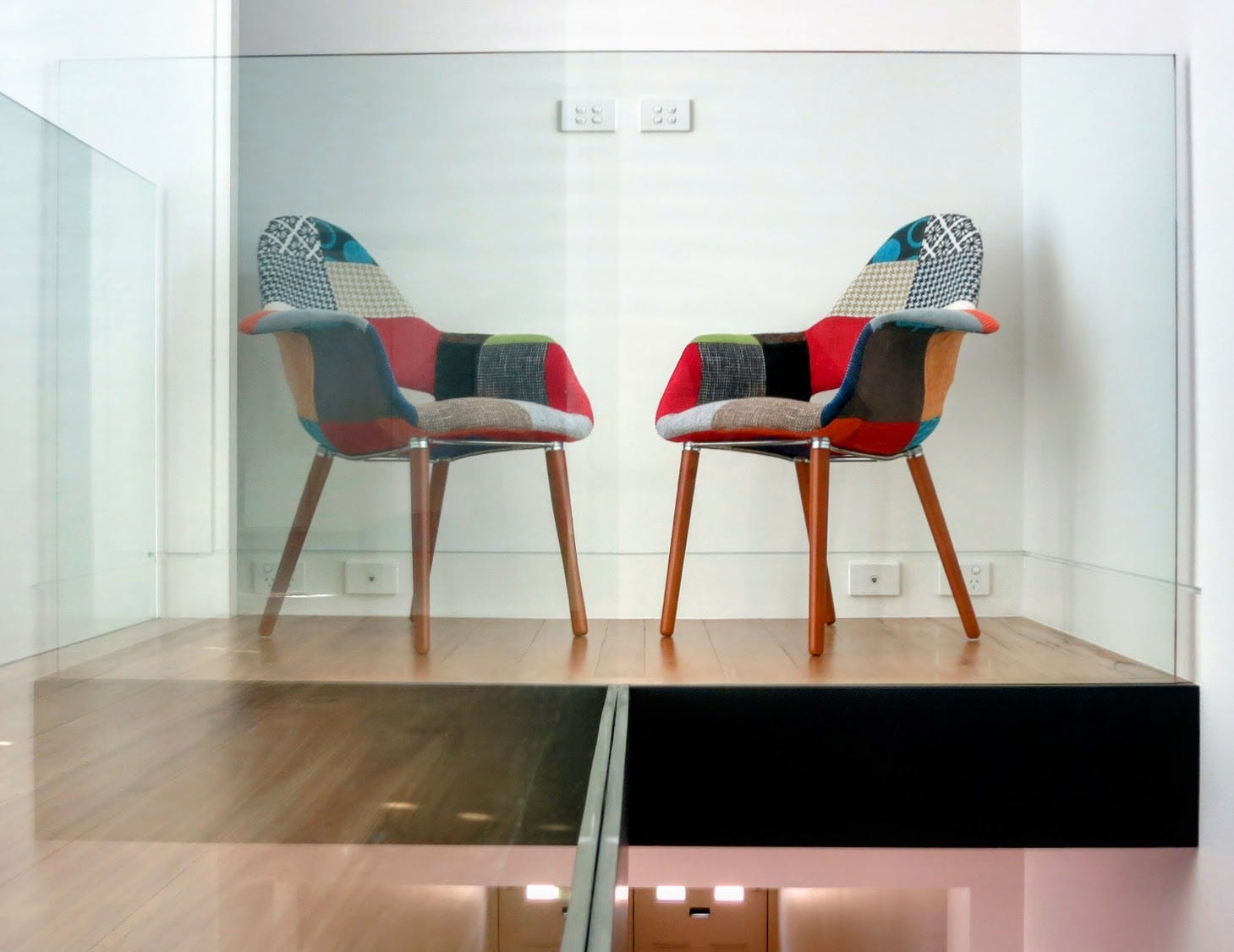
The Shape of Arrival
We are never only where we are—we bring all our expectations with us.
When people arrive at community forums or dialogue events, they often carry a kind of emotional pre-conditioning—detachment, fatigue, even a sense of futility.
These conditions affect not only atmosphere, but participation:
Expectations are low: Many anticipate repetition, jargon, or top-down framing.
Energy is muted: People often arrive tired or distracted, bringing their day with them.
Engagement is guarded: Initial contributions are cautious, impersonal, or obligatory.
Yet even here, the space is not static. Under the right conditions, something else can unfold.
The Turn Toward Attention
Meaning arises not from the format, but from how people choose to inhabit it.
The moment a space begins to feel different is rarely dramatic. It might be a pause. A well-framed question. A moment of sincerity. These small shifts create new emotional texture.
The ingredients for this shift often include:
Someone taking a risk: A personal reflection, not rehearsed or performative, often opens others up.
A rhythm of listening: When people feel heard, they begin to listen differently themselves.
The absence of agenda: Unexpectedly, the lack of pressure to produce consensus can deepen authenticity.
This is the midpoint, when downcast starts to soften—without anyone quite noticing.
The Role of Structure That Holds, Not Directs
Structure can support presence—or suppress it.
When sessions over-structure discussion, they often reduce emotional range. But when design simply holds the space—providing rhythm without control—people find room to bring themselves.
Here’s what this “light holding” can allow:
Flow, not force: People speak when they’re ready—not when prompted.
Emergence, not extraction: Outcomes emerge from connection, not pressure.
Warmth, not theatre: The tone remains human, not performative or formal.
The space begins to feel like somewhere people want to be, not just somewhere they’re supposed to be.
The Shift We Often Don’t Expect
Most important things happen slowly, then suddenly.
The moment of departure often arrives gently. People linger. They speak in lower tones. The conversation continues, even though the event has ended. Something in the room has changed.
That change can be traced back to:
Feeling seen without having to perform: A rare experience in public spaces.
Shared presence without consensus: Agreement is not what bonds people—attention does.
Leaving with more than we came with: Not in information, but in perspective or possibility.
And in that moment, the line returns:
“We left as uplifted as we had arrived downcast.”
Conclusion
It doesn’t take drama or intensity to move people. Often, it only takes care. Thoughtfully held space, quiet listening, and gentle rhythm—these are modest elements. But together, they can change the quality of a moment, and sometimes the mood of a whole day.
What matters is not whether everyone agrees or solves something—but whether the space allowed people to arrive fully, and leave differently.
Sometimes all it takes is to be heard, without needing to prove anything.